American missionary abducted in Niger released after nine months
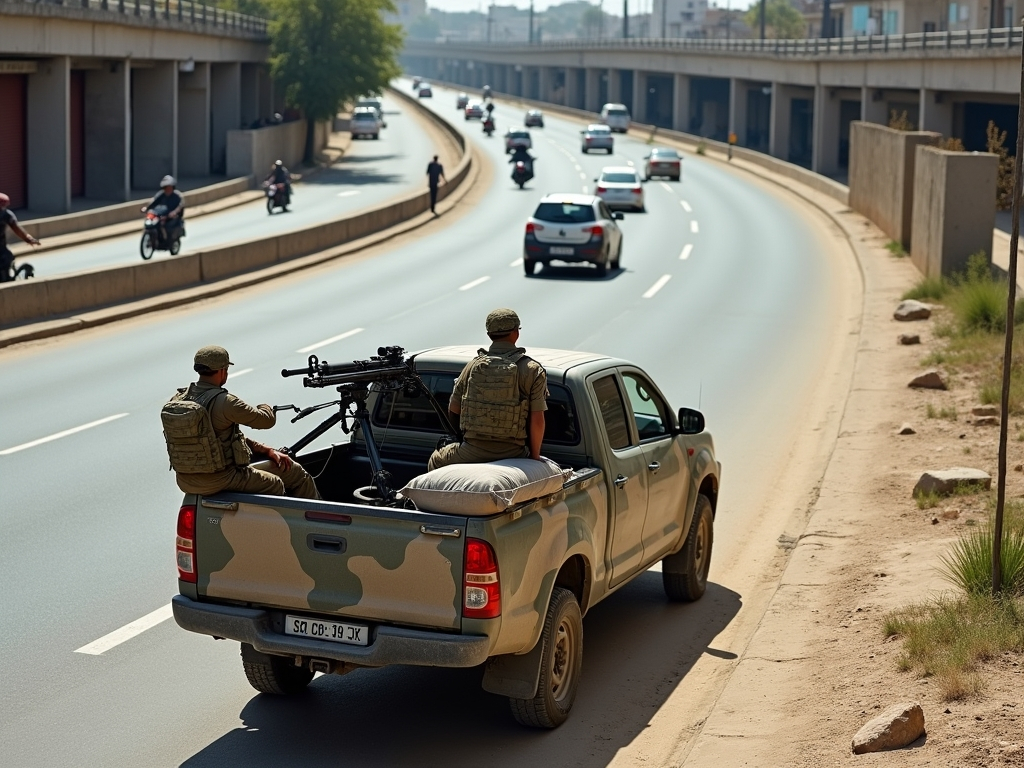
An American missionary abducted in Niger in October has been freed, according to the organisation he served with.
Serving in Mission International said Kevin Rideout “is in good health in the care of US officials” and is expected to be reunited with his extended family soon.
Donald Trump, who said he had assisted in securing Rideout’s freedom, announced on Friday that the missionary was “back in United States Custody”.
The 50-year-old missionary pilot was seized by three armed people in Niger’s capital, Niamey, on 21 October and was believed to have been driven outside the city, a security official said at the time. No armed organisation took responsibility for the kidnapping, and further information about his release has not been disclosed.
The US administration had made freeing Rideout a priority under its latest policy towards the African Sahel, where years of efforts to counter extremism have produced limited results. Before his abduction, Rideout had spent 19 years working as a missionary in Niger.
“I am proud to announce that Kevin Rideout, a wonderful Christian Missionary, is back in United States Custody,” Trump wrote on social media on Friday. “Kevin, the United States of America looks forward to welcoming you HOME. Glad to have helped!”
Niger has repeatedly faced attacks from armed organisations, including jihadist groups associated with al-Qaida and Islamic State. The military junta that seized power in 2023 cited a “continually deteriorating security situation” when it removed the democratically elected president, Mohamed Bazoum.
The country’s new rulers expelled western partners, including US forces stationed in Niger, and established closer security and diplomatic ties with Russia. Russian troops have since taken over one former American base.
In his Friday post, Trump called the wider west African region “the epicenter of Islamist terrorism”, asserting that it had experienced “more deadly attacks in the past year” than any other place in the world.
Washington has subsequently redirected attention towards coastal west African countries such as Benin, Côte d’Ivoire and Ghana. It has shared intelligence with local security services in an effort to stop extremist violence spreading south from the dry Sahel region.
Despite those measures, the regional insurgency continues to intensify. Conflict-monitoring figures indicate that civilian deaths in Niger increased by almost 50% during the year following Bazoum’s removal.
Armed non-state groups have also increasingly attacked cities and other urban areas across the Sahel as the security emergency expands in scale and complexity.
The US embassy in Niamey released a security warning one day after Rideout was abducted, saying American nationals “remain at a heightened risk of kidnapping throughout Niger, including in the capital city”.
In June, gunmen killed more than 30 people in an assault on Niamey’s main airport. It was the second attack at the facility that year. The airport is a strategically important military command centre, containing the ruling junta’s air force base and most of its aircraft and drones. It also houses the headquarters of the Alliance of Sahel States, a regional partnership involving forces from Niger, Mali and Burkina Faso.
In April, Mali’s defence minister, Gen Sadio Camara, was killed at his residence outside the capital, Bamako, during coordinated attacks carried out by insurgents, including al-Qaida’s west African affiliate.
Additional reporting was provided by international news agencies.