Africa’s ‘unprecedented’ Ebola outbreak may reach UK, warns leading health official
A leading African health official has warned that the unusually wide spread of the Ebola outbreak could eventually put the UK and other countries at risk.
With the outbreak now surpassing 10,000 reported cases and nearing 5,000 deaths, Dr Jean Kaseya, director general of the Africa Centres for Disease Control and Prevention, said the situation carried echoes of the Covid-19 pandemic. That crisis began in China before rapidly spreading worldwide, causing millions of deaths and placing enormous strain on health services and economies.
“We need every country to understand that it is not protected unless it takes the necessary action,” he said.
“Every nation, not only those in Africa but across every continent, must raise its level of preparedness and ensure treatment capacity is available.
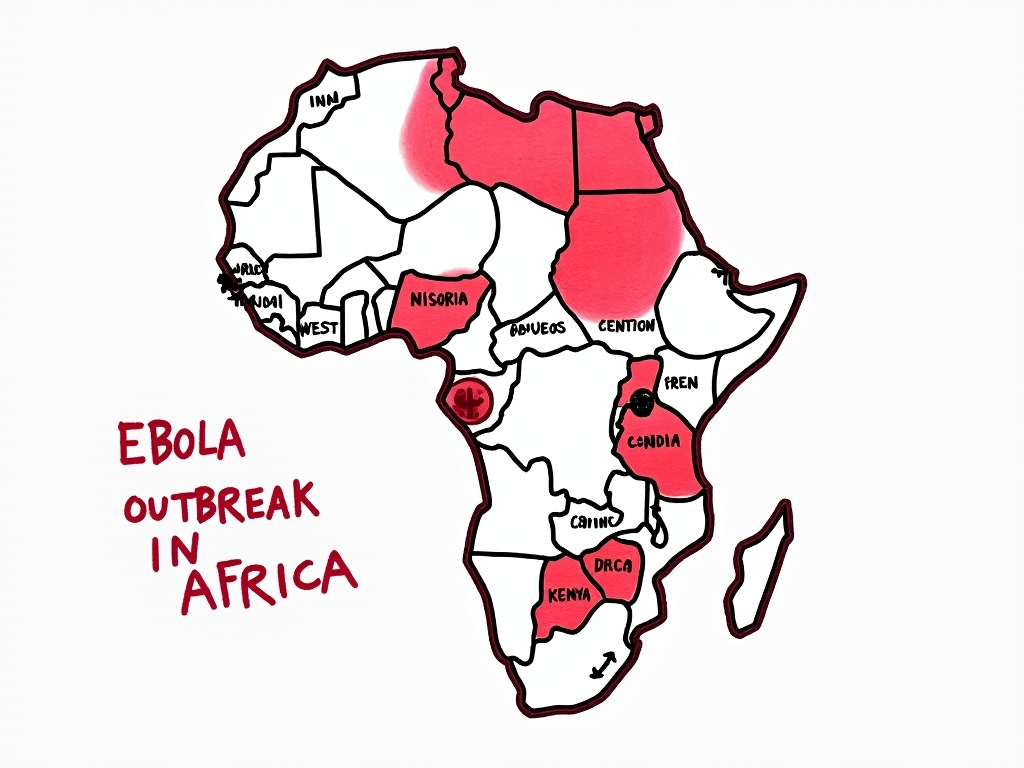
“This is the first time that three African regions have been affected by Ebola. The geographical reach of this outbreak is without precedent,” he said.
Kaseya said world leaders must recognise that, although Africa is currently carrying the greatest burden, the pattern could quickly shift. “At the start of Covid, many countries believed there was no chance they would be affected, but within months they had become major centres of the crisis,” he said. “We do not want the UK or other countries to become hotspots.”
The outbreak is the 17th recorded in the Democratic Republic of the Congo since Ebola was first identified. It is linked to the Bundibugyo virus and has become the country’s biggest and most deadly Ebola emergency on record.
Ebola is a serious disease that can be highly infectious and frequently fatal. It spreads through direct exposure to bodily fluids, including blood and vomit from infected patients, as well as contact with the bodies of those who have died, including during burial rituals.
DR Congo’s health ministry officially announced an outbreak in Ituri province on 15 May, although genetic analysis suggests transmission began in February. The virus has since reached Kenya and Uganda in east Africa. In west Africa, Nigeria confirmed a case in Abuja last week after a woman arriving from Uganda tested positive.
France remains the only country outside Africa to have confirmed an Ebola infection so far. The patient was a doctor who had recently returned from DR Congo in June.
There is currently no licensed treatment for the Bundibugyo virus, although vaccine studies are in progress. Kaseya said initial trial findings are expected within three to six months.
Of the 10,091 cases reported overall, 10,060 have been recorded in DR Congo, where 4,887 people have died. Uganda has reported two deaths, while Kenya has also recorded two fatalities.
Efforts to contain the outbreak have been slowed by shortages of protective supplies and delays in paying health workers, which have triggered strikes. Armed conflict in DR Congo, distrust of authorities in affected communities, false information and reductions in international aid have made the response even more difficult.
Kaseya is due to gather African health ministers on Wednesday to press for stronger cooperation across borders. He wants countries to introduce screening and testing for travellers arriving from or leaving affected areas.
“The key message for ministers is that they must accept they could be affected, and we do not want them to be caught unprepared by what may happen,” he said.
At a planned meeting with African heads of state in November, Kaseya will seek support for a “peace corridor” in areas affected by conflict. “Our colleagues in Ituri are ready to help communities, but insecurity is preventing them from reaching those in need,” he said. “Leaders need to understand that this outbreak does not distinguish between rebels and government forces; it affects everyone. Ebola can infect anyone. We need to work together and agree on how to keep one another safe.”
Kaseya also urged the international community to provide more funding for the emergency response. He said governments had committed $3bn (£2.3bn), but more than $2bn of that amount had not yet been delivered. African countries had pledged $120m, while the remaining funds were expected from international partners.
“We require this funding immediately,” he said. “If African countries are not supported now, the eventual cost will be far greater because the outbreak will continue spreading. If more countries are affected, the cost could reach trillions of dollars because stopping the outbreak would demand much more extensive support.”