Boeing strike concludes with workers approving 38% pay increase
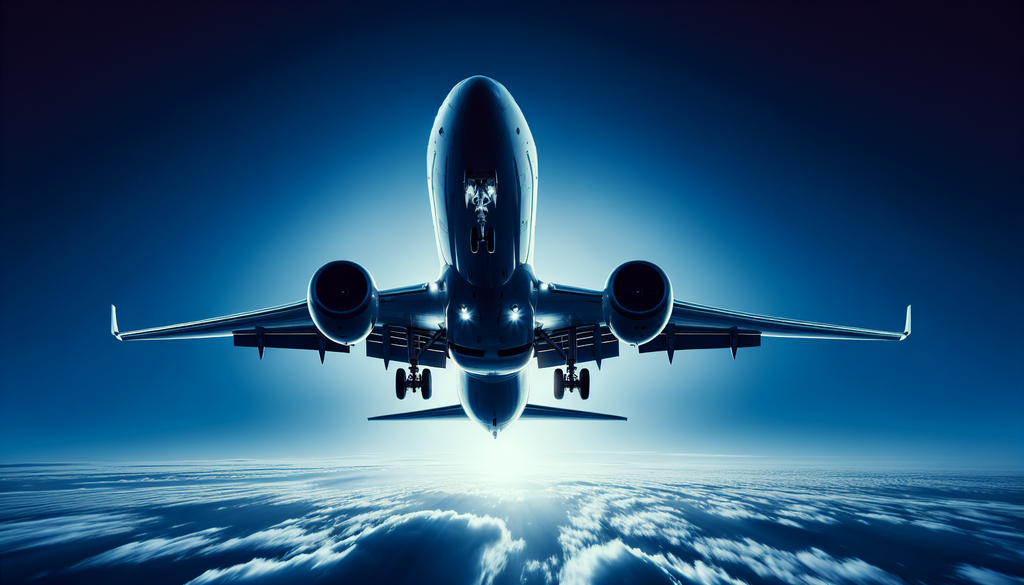
Boeing employees have voted to approve the company's latest wage proposal, bringing an end to a disruptive seven-week strike.
As part of the new agreement, workers will see their pay rise by 38% over the course of four years.
According to the International Association of Machinists and Aerospace Workers (IAM), employees involved in the strike can begin returning to work either as early as Wednesday or as late as 12 November.
The strike, involving approximately 30,000 Boeing employees, began on 13 September, significantly slowing operations at Boeing's production facilities and exacerbating the company’s ongoing challenges.
The IAM stated that 59% of the voting workers supported the new contract, which also includes a one-time bonus of $12,000 (£9,300) and revisions to their retirement benefits.
"This achievement, along with the strike that made it possible, shows that IAM members have stood up for dignity and fair compensation in the workplace," said union spokesperson Jon Holden.
The union had previously been seeking a 40% pay increase, and workers had already rejected two earlier proposals from Boeing.
"Although the last few months have been hard for all of us, we are ultimately part of the same team," commented Boeing CEO Kelly Ortberg.
"There's plenty of work ahead to restore the excellence that has made Boeing a prominent company."
The White House demonstrated the gravity of the strike by sending acting US Labor Secretary Julie Su to Seattle last month to assist in talks between the parties.
Throughout the strike, Boeing has been working to stabilize its financial position as the dispute reportedly cost the company close to $10bn, according to estimates by Anderson Economic Group.
In October, Boeing's commercial aviation division reported operating losses of $4bn for the quarter ending in September.
Just last week, the company announced a stock sale aimed at raising more than $20bn.
The move followed warnings that a prolonged walkout could lead to a downgrade in Boeing's credit rating, which would increase the cost of borrowing funds.
Additionally, Boeing announced plans last month to cut approximately 17,000 jobs, with the first round of layoffs expected to take effect by mid-November.
Boeing's current struggles date back to January when a piece of one of its passenger aircraft suffered an in-flight failure.
Its space program also endured a setback when the Starliner spacecraft returned to Earth without its intended astronauts, further complicating Boeing's public image.