South Western Railway set to be the first train company nationalised by Labour
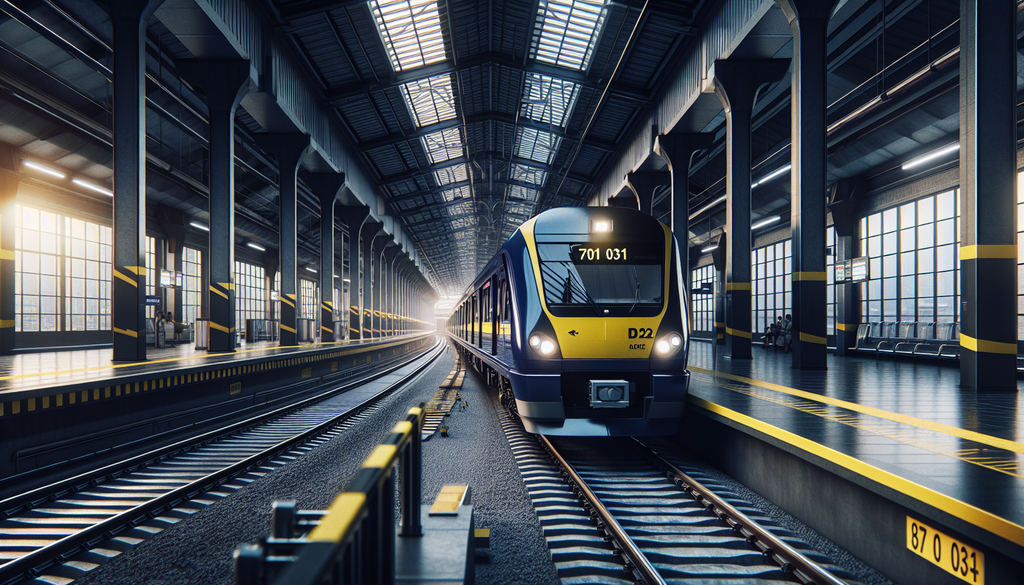
South Western Railway is set to become the first major train operator to be nationalised under the Labour government, ministers have revealed.
As one of the country’s largest commuter rail services, operating from London Waterloo, SWR is scheduled to return to public ownership in May.
The service is currently managed through a partnership between First Group and Hong Kong-based rail operator MTR.
This move signals a more measured approach to renationalisation under the new transport secretary, Heidi Alexander, in contrast to the ambitions of her predecessor, Louise Haigh, who stepped down last week.
Once SWR’s contract concludes in May, it will fall under the Department for Transport’s Operator of Last Resort (DOHL).
Following SWR, the renationalisation roadmap points to other commuter operators near London. C2C, which serves Essex, is expected to come under public control by July, with Greater Anglia anticipated to follow in autumn 2025.
All rail operations are slated for eventual public ownership, aligning with the provisions of the Public Ownership Bill, championed by Haigh, which was recently enacted into law.
Previously, Haigh had considered invoking break clauses in other contracts, potentially accelerating the renationalisation of Greater Anglia.
Until now, train franchises brought under public control were typically those with stark financial or operational failures.
In a statement, Alexander said: “The British public has endured unreliable rail services for far too long. The fragmented system of private train operators has often failed to meet passengers' needs.
“Starting with South Western Railway, we’re taking a new course by bringing rail services back under public ownership to deliver a dependable network that prioritises passengers.
“This marks the beginning of transforming our struggling railways into a trustworthy and efficient service the public can rely on and take pride in.”
DOHL, which will soon be renamed DfT Operator Limited, already manages some operators, including LNER, which came under public control in 2018 following the collapse of the Virgin East Coast franchise. Northern, Southeastern, and TransPennine were later nationalised under Conservative leadership.
All morning, stay informed with Business Today: your guide to essential business news and analysis.
Nationalisation of all train services under DfT contracts is expected to wrap up within the next three years.
Eventually, all passenger rail services will operate under the "Great British Railways" (GBR) umbrella once the government’s new unified railway plan comes into play.
GBR is set to integrate track operations and train services under a single management structure, described as a “directing mind.” A shadow team at the DfT is actively preparing this new framework as legislative approvals are pending. Officials have stated that transitioning to a public railway system will “enhance service reliability and support economic growth.”
South Western Railway recently posted an operating profit of £12.2 million for the previous financial year, supported by a £140.9 million subsidy from the DfT. Once a highly profitable franchise that paid net contributions to the government, SWR faced setbacks as the pandemic reduced commuting into central London and slashed demand for season tickets.
Meanwhile, MTR’s contract to operate trains on the Elizabeth Line is set to expire in May. It will be replaced by a new operator, a joint venture between Tokyo Metro and Go-Ahead.