Tesla unveils 'budget-friendly' Model Y and 3 that some still find pricey
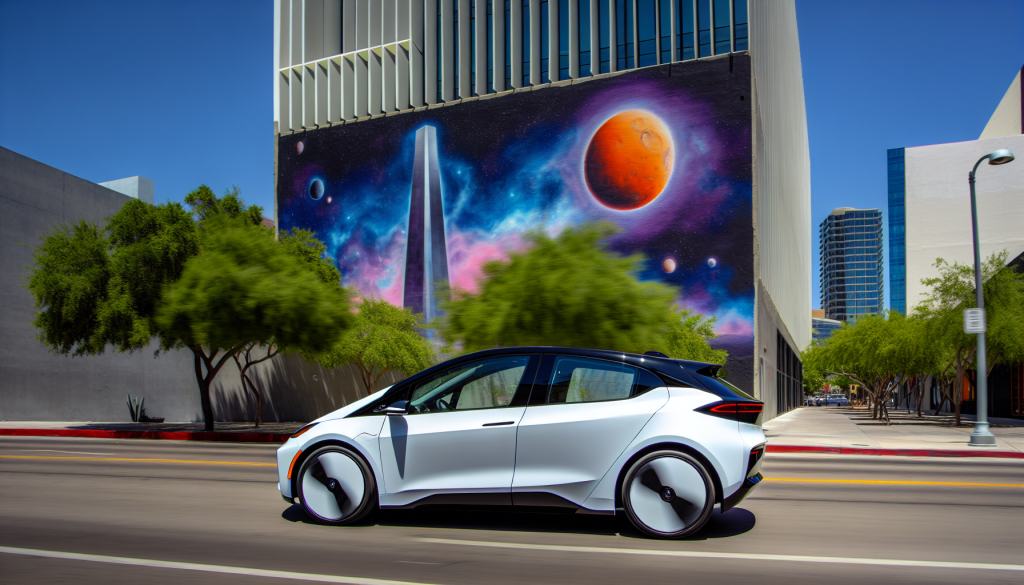
Oct 7 (Reuters) - Tesla has introduced more budget-friendly versions of its popular Model Y SUV and Model 3 sedan. Priced at $39,990 and $36,990 respectively, these new models aim to attract new buyers, though some critics feel the prices are still too high to appeal broadly to cost-conscious consumers.
CEO Elon Musk has previously emphasized the importance of offering a car priced under $30,000—after incentives—to capture a larger share of the market.
The company is responding to declining sales and growing competition, particularly in Europe and China, along with the recent expiration of a $7,500 U.S. tax credit. The newly introduced models feature fewer premium materials and options but still deliver a range exceeding 300 miles (480 km).
Tesla's share price dropped 4.5% following the announcement. Dan Ives of Wedbush, typically positive on Tesla, noted disappointment that the price cuts were only around $5,000 compared to the next-level trims.
Even with the lower pricing, the Standard variants are still more expensive than last month’s entry-level models when government incentives were factored in.
Although Musk has long pledged an affordable EV for mass adoption, the company scrapped plans for a completely new $25,000 model last year. Instead, it opted to produce scaled-down versions of existing vehicles, causing concerns among investors about potential effects on sales of higher-end models.
"This appears to be more about pricing strategy than introducing a game-changing product," commented Shay Boloor, a market strategist at Futurum Equities. "It’s not likely to boost demand on a large scale."
To maintain consumer interest post-tax credit, some U.S. carmakers have already implemented price reductions or found ways to extend benefits tied to those incentives.
Analysts believe bringing the price below $40,000 could enhance competitiveness, especially against upcoming models like Chevrolet's Equinox, Hyundai’s Ioniq 5, and Kia’s EV4. Still, many expected Tesla to aim for a price under $30,000 to truly drive wider adoption.
"I'm not sure this is enough," said Shawn Campbell from Camelthorn Investments. "In the long run, these prices don't solve the challenge posed by less expensive Chinese electric vehicles. Tesla may need a model under 30k to stay ahead."
In Europe, where Musk’s controversial views have reportedly affected brand perception, the new models will face stiff competition from more than a dozen electric and plug-in hybrid vehicles priced below $30,000.
Sales during the third quarter reached a peak as buyers rushed in before the tax credit expired on September 30. However, experts expect a slowdown in demand through the rest of the year, unless the new lower-priced models help stimulate the market.
"There’s strong desire to own a Tesla," Musk stated during the company's earnings call in July. "But the issue is that many people can’t afford it. So we need to make these cars more affordable."
The new Standard trims deliver a driving range of 321 miles (516 km) and feature gentler acceleration compared to the Premium versions. Tesla has reduced battery capacity in both models, based on information from the company and influencers who previewed the cars.
Pre-orders for both vehicles are now open, with deliveries expected to begin between December 2025 and January 2026 in many regions, according to Tesla’s website.
These new versions lack some features available in higher trims, such as Autosteer, rear-seat heated elements, and additional displays. The Model Y no longer includes a LED lightbar, and both cars come with manually adjusted mirrors and cloth seats, though users can opt for synthetic leather in the Model 3.
While Musk continues steering Tesla towards developing artificial intelligence platforms, including robotaxis and humanoid robots, the new vehicle variants remain crucial to boosting near-term revenues.
"This move shows a shift in Tesla’s identity," said Michael Ashley Schulman, investment head at Running Point. "It’s no longer the daring innovator. Now, it’s trying to compete both as Tesla and as a traditional automaker like Toyota."