Report: Over a third of tree species threatened with extinction
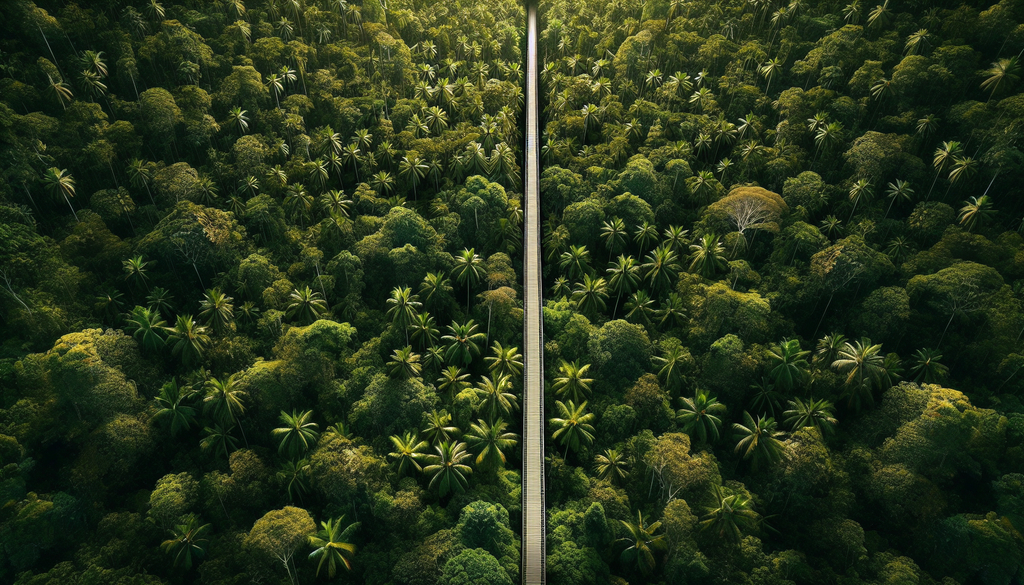
Over a third of the world’s tree species are facing extinction, posing a serious threat to life on Earth, according to a recent report by the International Union for Conservation of Nature (IUCN) as part of their Red List of Threatened Species.
Released on Monday, the report indicates that more than 16,000 tree species are under threat. The study examined over 47,000 species from an estimated global total of 58,000.
The causes of this crisis are widespread. Trees are being cut down for logging purposes, and land is being cleared for agriculture and urban expansion. Additionally, climate change is exacerbating the problem, bringing about more severe droughts and an increase in wildfires.
Among the endangered species listed, over 5,000 are harvested for their wood, typically for construction, while over 2,000 species play crucial roles in the production of medicines, food, and fuels.
Species in danger include iconic trees such as the horse chestnut and ginkgo—both utilized for medicinal purposes. Big leaf mahogany, prized for its use in furniture making, is also at risk, alongside various species of ash, magnolias, and eucalyptus, explained Emily Beech, lead for conservation prioritization at Botanic Gardens Conservation International (BGCI), which partnered in the assessment project.
In fact, the report stresses that the number of tree species in danger of disappearing is "more than twice the combined figure for all threatened birds, mammals, reptiles, and amphibians."
While 192 countries face concerns about tree species extinction, island nations stand out with the highest proportions. Rapid urbanization, expanding agriculture, and the introduction of harmful species and diseases have compounded the situation on these islands, the report highlights.
In South America, a region boasting the greatest tree diversity, 3,356 of the 13,668 assessed species are categorized as endangered. Many more species, particularly within the Amazon rainforest, have probably yet to be identified. However, when discovered, it is likely many of them will already be at risk of extinction, the report warns.
The IUCN is advocating for a combination of protective measures, such as forest restoration, tree planting, seed banks, and the conservation of species in botanical gardens, to address this growing threat.
“Trees play an indispensable role in maintaining ecosystems, and millions of people rely on them for their survival and well-being,” explained IUCN Director-General Grethel Aguilar in the report.
The release of this study aligns with the opening of the UN COP16 biodiversity summit in Cali, Colombia.
The United Nations Environment Programme (UNEP) has also emphasized the need for an increase in funding. By 2030, an annual investment of $542 billion will be required—up from $200 billion in 2022—in order to curtail biodiversity loss and combat climate change.