Torrential rains stall recovery efforts as flood fatalities across Asia surpass 1,750
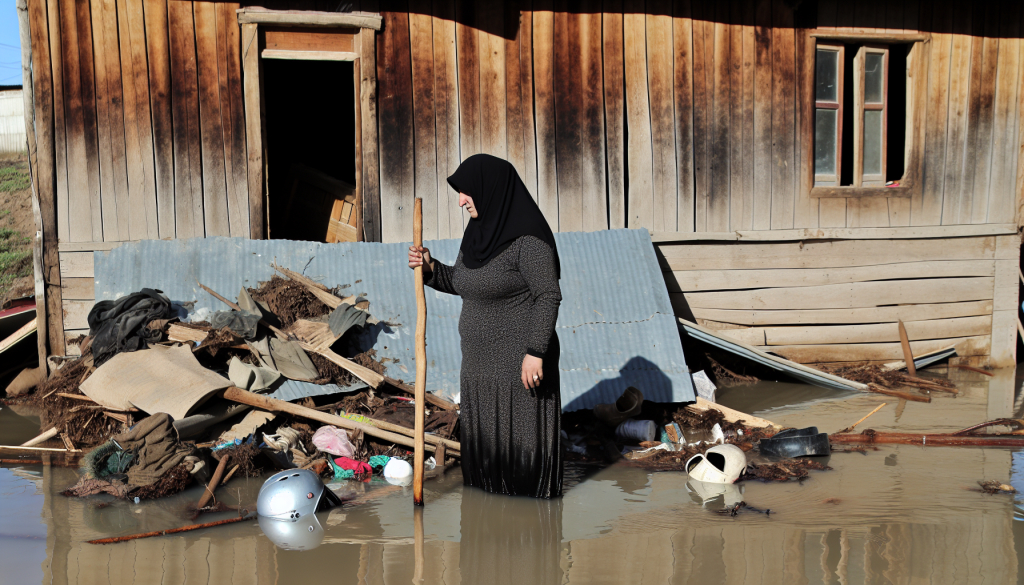
Rescue operations and volunteer efforts continue across parts of Asia, where massive flooding and landslides have impacted millions. The death toll has now surpassed 1,750 in the hardest-hit regions—Indonesia, Sri Lanka, and Thailand—amid what officials are describing as a climate-driven emergency.
In Indonesia, authorities have confirmed at least 908 deaths, with 410 individuals still unaccounted for. This crisis has mainly affected the Aceh province on Sumatra island, where over 800,000 residents have been forced to flee their homes.
Recommended Stories
• list 1 of 4Indonesia’s displaced begin recovery as floodwaters destroy homes and livelihoods
• list 2 of 4Asia’s death toll nears 1,250: Understanding the causes behind the floods
• list 3 of 4A mother shares her escape from a landslide during Indonesia’s flooding
• list 4 of 4Ongoing rainfall hampers Sri Lanka’s post-cyclone recovery efforts
Sri Lanka has reported 607 fatalities, while 214 others remain missing, in what President Anura Kumara Dissanayake has described as the nation’s most severe natural calamity. Flooding has severely disrupted life in many parts of the country.
Meanwhile in Thailand, at least 276 lives have been lost. Malaysia and Vietnam each reported two deaths following widespread landslides caused by intense rainfall, as noted by national news reports.
Back in Indonesia's Sumatra, survivors face extreme hardship as search and rescue operations continue. Weather forecasts from the national meteorology agency suggest heavy rainfall will persist through Saturday in Aceh, with North and West Sumatra also at risk.
Aceh Governor Muzakir Manaf highlighted the difficulty of current rescue missions, explaining that teams are still recovering bodies from thick mud. He stressed that in isolated regions, the lack of food has become a critical issue.
“The flood itself isn’t killing people now—it’s the hunger that follows,” the governor said.
Entire communities in Aceh Tamiang have disappeared, washed away by the waters that swept through this forested region.
“The infrastructure is completely ruined—from roads to coastal areas. Some towns exist only on the map now,” Governor Manaf added.
In Sri Lanka, almost two million people—or close to 10 percent of the population—have been affected by the disaster. Authorities are warning that continued rainfall may spark more landslides and further disrupt relief efforts.
The Disaster Management Centre (DMC) in Sri Lanka reported on Friday that over 71,000 homes were damaged, with almost 5,000 completely destroyed due to the floods and landslides that struck the country last week.
The DMC also warned that ongoing heavy rain could severely affect the central regions, which have seen the worst impact so far.
Climate and Environmental Causes Behind the Crisis
This recent wave of floods coincided with the arrival of two typhoons and a cyclone, which collectively brought torrential downpours. Experts say such events are becoming more frequent due to the changing climate.
Environmental degradation has worsened the situation. In Sumatra, illegal logging—partly driven by global demand for palm oil—has led to widespread deforestation. Images from the aftermath show logs carried downstream by the floodwaters, underscoring the scale of destruction.
Indonesia has seen massive forest loss over past decades due to mining, agricultural expansion, and fires. The Forestry Ministry announced on Friday that it is canceling the logging permits of 20 companies over issues across 750,000 hectares, some of which overlap with flood-stricken areas in Sumatra.
Additionally, the Environment Ministry has halted the operations of palm oil and mining enterprises located upstream of the impacted zones in northern Sumatra, citing urgent conservation needs.
“The Batang Toru and Garoga river basins are vital both ecologically and socially. They must be protected,” said Environment Minister Hanif Faisol Nurofiq.
Febi Dwirahmadi, a coordinator at Griffith University’s Centre for Environment and Population Health, emphasized the role forests play in flood prevention. Rainforest canopy, he explained, acts like a sponge during downpours. Without it, there’s nothing to halt or absorb water runoff, which worsens flooding.