Irritated eyes and scorched shores: Tracing the scars of a devastating environmental catastrophe
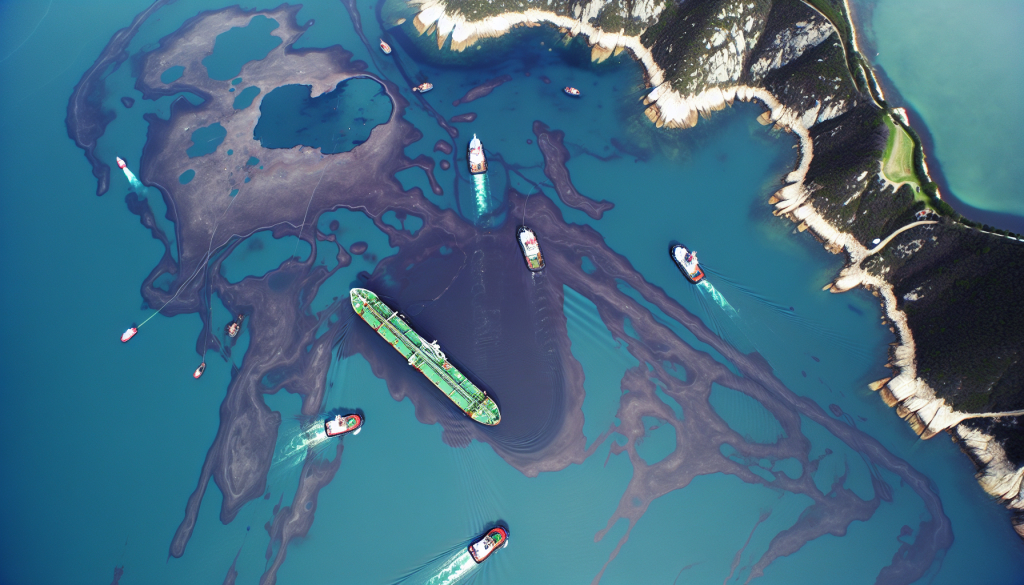
Three decades have passed since the Sea Empress oil tanker ran aground, causing catastrophic damage to some of south Wales’ most iconic beaches.
The spill devastated a wildlife-rich stretch of the Pembrokeshire coast, killing thousands of seabirds. Efforts to refloat the damaged vessel and guide it to safety took nearly a week as the crisis unfolded.
The event, widely seen as a turning point in how environmental issues were perceived by the public, still sparks strong emotions and questions about how such a disaster was allowed to happen.
Environmental experts caution that future incidents may become more frequent as climate change creates tougher conditions for maritime travel.
Retired journalist Hefin Wyn stood at St Anne’s Head near Milford Haven, recalling the chaos and the dark, oily sea. "It all feels so fresh even now," he said. "The tanker roared in the wind, and we saw oil thick as syrup turning the water black."
Witnessing birds stuck in the oil and unable to fly away struck him deeply. "The event opened our eyes — we now understand far better the importance of protecting our environment."
Nature broadcaster and conservationist Iolo Williams described it as the worst disaster he had ever witnessed. Working for an environmental group at the time, he noted how deeply the oil affected people and animals alike. "It was in our hair, our skin, and the birds kept coming, only to get trapped in the slick."
Rescue teams recovered over 7,000 oil-drenched birds, although the true toll may have been twice as high, with many sinking out at sea. Rockpools teeming with life were left lifeless, and the fishing trade in the area shut down for over a year.
The spill happened in Britain’s only coastal national park, which includes a marine reserve and dozens of protected sites. These are home to internationally important bird populations.
The 274-meter-long Sea Empress, flying under a Liberian flag, had been heading to a refinery when it struck rocks at the entrance of Milford Haven just after 8 p.m. on 15 February 1996.
Initial actions focused on transferring the crude oil to another ship. However, worsening weather forced the operation to pause as the crew and tugs had to retreat for their safety.
Observers remembered the tanker spinning uncontrollably in the wind, waves battering it as dark oil fountains spewed into the sea.
Repeated salvage attempts followed over several days. Finally, on 21 February, the ship was towed to safety, capping a dramatic ordeal that made headlines around the globe.
More than 70,000 tonnes of oil leaked, fouling an estimated 200 kilometers of coastline — the equivalent of 32 Olympic-sized swimming pools.
“It was devastating for the local community,” said Gordon James, then a lead campaigner with Friends of the Earth Wales. “I remember being in Tenby and seeing people cry as they looked at beaches blackened by oil.”
His team gathered testimonies and evidence pointing to ignored safety concerns. “Local pilots and tug crews had warned of cutbacks and lack of proper safety—many said it was only a matter of time,” he stated.
An inadequately experienced pilot had been handling the tanker, and authorities later learned the port's radar had been faulty for months.
The Port Authority of Milford Haven was fined £4 million, the largest pollution penalty at the time, though an appeal later reduced it to £750,000 so the port could invest in necessary safety improvements.
James still believes crucial missteps were made, especially the choice not to move the ship out to sea ahead of the storm. Suggestions from local crews were ignored, he claimed, which led to the situation spiraling out of control.
Joe Small, then leading marine response operations for the UK, had a different view. Among the first to board the grounded ship, he discovered oil had seeped into parts of the ship not designed for storage, raising fears of an explosion.
This safety risk meant they had limited options and couldn’t bring the ship to a populated area without stabilizing it first. He described the successful salvage within a week as a difficult but well-executed feat.
Port chief executive Tom Sawyer described the tragedy as a pivotal moment that not only highlighted failures but also strengthened the industry’s resolve to improve. Milford Haven has since upgraded pilot training and introduced advanced navigation systems.
The disaster pushed major changes across the UK in maritime incident response. Globally, the shipping industry also embraced double-hulled tankers, built-in towing points, and stronger rules for environmental compensation.
"We’ve made improvements, but the risk landscape is changing," said Joe Small, pointing to more intense storms and higher vessel traffic. "With refineries closing, we now import more refined fuel, meaning more — and smaller — tankers moving about."
He explained that it often takes four or five ships today to move the same volume as the Sea Empress, increasing the chances of something going wrong.
Worldwide, oil tankers are also facing renewed acts of piracy and the rise of "dark fleets" operating outside traditional regulations, further complicating maritime safety.
Despite everything, the Sea Empress disaster could have been even worse. The timing meant many seabirds had yet to arrive for spring nesting, and changing winds kept some of the oil away from vital spots on shore.
The local cleanup effort was monumental. Volunteers joined forces to scrub the beaches of oil, speeding up the region's recovery far more than early predictions had suggested.
Eluned Morgan, now First Minister but then a Member of the European Parliament, recalled having boots still stained with Sea Empress oil, after helping clear the shoreline. “It underscored how essential it is to protect our seas,” she reflected.
Former MP Nick Ainger agreed. “That event changed how people see the environment. The images we saw — that was the true cost of our oil reliance. It really shifted public thinking.”
“Each anniversary brings it back,” Iolo Williams said. “Thirty years later, it's our responsibility to revisit what happened and ensure we continue to learn from it.”
Additional reporting by Clare Hutchinson