'The sun began to whirl faster like a blazing wheel': The 'sacred visions' foretelling the collapse of the USSR
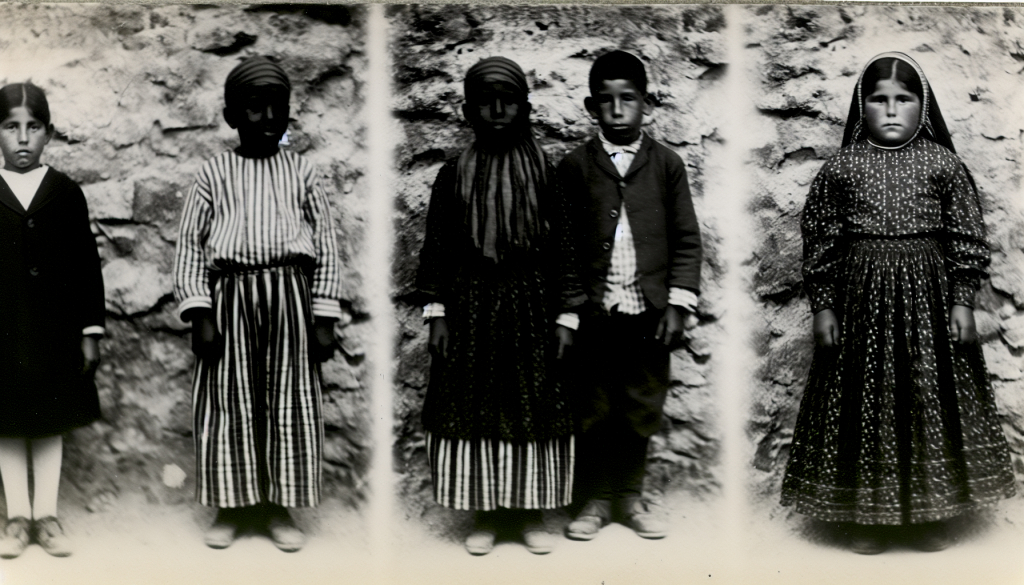
In May 1917, three children in Portugal announced that they had witnessed an apparition of the Virgin Mary in a rural field. The messages they said they received would later be interpreted as prophecies that shaped anti-communist feeling during the Cold War. Decades later, in 1992, a witness described the reported “miracles” to the BBC.
On 13 May 1917, 10-year-old Lucia dos Santos and her younger cousins, Francisco and Jacinta Marto, were tending sheep near Fátima when they claimed to see a radiant figure above an oak tree. They believed the figure was the Virgin Mary, who told them to return to the same spot on the 13th day of each month for the next five months.
The children also said they were entrusted with three secrets. Two were eventually revealed, but the third—later known as the “third secret of Fátima”—was written down and kept in the Vatican archives until 2000. Curiosity about this hidden message intensified interest in Fátima, transforming a quiet countryside shrine into a site of global religious and political significance during the Cold War.
According to reports, tens of thousands of people gathered for the final apparition on 13 October 1917. What many claimed to see became known as the Miracle of the Sun. Francisco Ferreira Rosa, who said he was present, recalled in a 1992 BBC interview: “All I saw were the planets in the sky in many colours. It was a miracle. Then it seemed as if flowers were falling from the sky, like snow. After that, the Sun began spinning like a wheel of fire. It lasted about half a minute, and by the end it was turning very fast.”
Witnesses also reported that illnesses were cured and that blind people regained their sight. A contemporary Portuguese newspaper described the event under a dramatic headline about the Sun “dancing” at midday in Fátima, estimating that at least 50,000 people had assembled.
Whether the phenomenon was divine, psychological, or atmospheric remains debated. Yet its emotional effect on those present was undeniable. Rosa told the BBC that although he already had faith, the experience strengthened it. Others, he said, were frightened by the sight of the spinning Sun. For many, the event reinforced belief rather than doubt.
Of the three children, Francisco and Jacinta died during the Spanish Flu pandemic a few years later, leaving Lucia as the sole custodian of the visions. The first secret reportedly included a vision of Hell and was later associated with the outbreak of the Second World War. The second, delivered shortly before the Russian Revolution, suggested that devotion and prayer could lead to the conversion of Russia and prevent the spread of communism. Initially cautious about the growing devotion, the Vatican formally approved the Fátima apparitions in 1930.
During the dictatorship of António de Oliveira Salazar, Fátima became one of the most important Marian shrines in modern Catholicism. It continues to draw vast numbers of pilgrims. Many perform acts of penance, including advancing on their knees along a marble path known as the Via Penitencial toward the Chapel of Apparitions, where most of the visions were said to have occurred.
As decades passed, Fátima took on additional political meaning. Because the prophecies were interpreted as foretelling the rise and eventual fall of communism in Russia, the shrine became associated with anti-communist ideology. During the Cold War, it was regarded by some as a spiritual symbol in the struggle against Soviet influence.
In 1992, theologian Michael Walsh observed that the message of Fátima, particularly its anti-communist interpretation that developed in the 1920s, had become a source of division within the Church.
Fátima’s political resonance deepened in 1981. On 13 May of that year—the anniversary of the first apparition—Pope John Paul II was shot in St Peter’s Square. Although the gunman was apprehended, speculation persisted about possible broader involvement. In his memoir, the Pope later suggested that others may have orchestrated the attempt. At the time, the Soviet bloc regarded him as an adversary because of his support for Poland’s Solidarity movement.
Documents that surfaced years later indicated that Eastern Bloc intelligence services may have played a role in the plot, though Russian authorities denied this. Because the attack occurred on 13 May, the Pope credited Our Lady of Fátima with saving his life. He visited the shrine more than once, and a bullet removed from his body was set into the crown of the statue of the Madonna there.
Interest in Fátima was also sustained by the mystery surrounding the third secret. Lucia wrote it down in 1944, requesting that it not be opened until 1960. For decades, successive popes chose not to disclose it, and it remained sealed in the Vatican. This secrecy encouraged speculation, conspiracy theories, and even extreme protests by those demanding its release.
When the Vatican finally revealed the text in 2000, around 500,000 pilgrims gathered in Fátima. Some observers, however, found the disclosure underwhelming. The secret described a symbolic vision interpreted as referring to the 1981 assassination attempt on John Paul II, portraying a “bishop clothed in white” who falls as if dead.
Many had expected a prophecy of global catastrophe or a third world war. Instead, Church officials emphasized that the message was spiritual rather than apocalyptic. Cardinal Joseph Ratzinger, later Pope Benedict XVI, stated at the time that the secret did not unveil dramatic new mysteries about the future.
Debate has continued over whether the Fátima messages were shaped by later historical events. Some commentators note that the original accounts referred generally to prayer for the “conversion of the world,” while the specific emphasis on Russia appeared later. Others argue that the Church’s strong anti-communist stance in the postwar period contributed, alongside many political and economic factors, to the eventual collapse of the Soviet Union.
Regardless of interpretation, the influence of the Fátima visions has been profound. When Lucia died in 2005 at the age of 97, Portugal declared a national day of mourning. Each year, vast crowds still gather at the shrine; on 13 May 2025, approximately 270,000 pilgrims assembled to commemorate the first reported apparition.