Nordic Nights: Sweden's Celebration of Restful Living
Sweden's frigid and lengthy winter nights could easily deter potential visitors—unless, of course, you're seeking a rare modern luxury: an uninterrupted, rejuvenating night's sleep.
A ferry glides steadily through the frozen Baltic Sea, its route meandering past the eastern expanses of Sweden's archipelago. Rust-red cottages line jetties adorned with names like Skarpö, Hjälmö, and Gällnö, each hinting at its insular identity with the Swedish suffix “Ö,” meaning island. The term evokes imagery of isolated landmasses, surrounded by icy waters and awaiting the arrival of weary travelers.
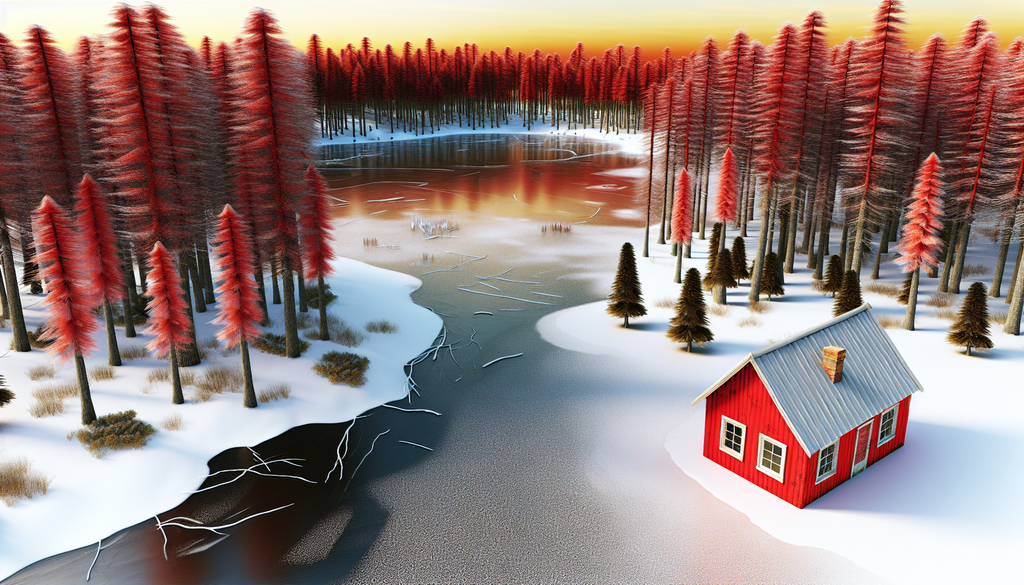
My voyage takes me to Svartsö, a remote haven in the archipelago that welcomes guests even during the winter months. Disembarking alone, I trudge along a snow-laden trail to the Skärgårdshotell. Here, I’m given a snug cabin situated at the edge of a tranquil forest, overlooking the vast, dark serenity of Lake Svartsöfladen. The setting offers an unparalleled sense of seclusion, a retreat from the noise of daily life.
The cabin itself is the epitome of Swedish simplicity: just a bed, a chair, and a small bedside table. No television, no extraneous distractions—this is intentional, as the purpose of my stay is singular: to sleep.
In today’s digitally driven world, where constant connectivity dominates, sleep is being rebranded as a luxury. This evolution has inspired a growing trend known as sleep tourism, where bleary-eyed travelers seek accommodations with custom pillow menus or sign up for retreats designed to lull them into deeper, more restorative slumber.
Unlike high-tech solutions elsewhere, Sweden’s take on sleep tourism draws its wisdom from the natural landscape and traditional ways of life. While Sweden's cities like Stockholm and Gothenburg bustle with activity, the country's winter identity leans into its quieter, dreamier essence—inviting guests to do the same.
"The natural abundance, vast swathes of undisturbed wilderness, and crisp, dark nights create the ideal conditions for restorative sleep," says Christian Benedict, a sleep researcher at Uppsala University. "Modern technology often disrupts our rest, but spending time in nature has been linked to improved mental health and fewer sleepless nights."
Intrigued by the idea, I chose to test this sleep-centric philosophy in the Stockholm archipelago, a natural wonderland made up of over 30,000 islands. Many remain uninhabited, but Svartsö, one of the larger islands with a modest year-round population of around 65, is accessible via a two-hour ferry ride from Stockholm. In summer, it’s a popular retreat, boasting summer homes, a handful of eateries, and opportunities for swimming, cycling, and kayaking. Winter, however, transforms the island into an oasis of peace, with the Skärgårdshotell as its lone open accommodation.
The secluded forest cabins offered here are perfect for those like me—an urbanite whose busy mind often wrestles with sleeplessness. Away from the city lights, the distractions of daily life fade. With little more than hiking and reading to fill my days, I begin to sync with nature’s rhythm.
Svartsö, translating to “black island,” refers to its granite bedrock, though in winter, its name feels equally apt for the inky skies unmarred by light pollution. In Nordic culture, darkness—far from being feared—is embraced. In the Arctic Circle, where entire months pass without sunlight, residents take to the snow-clad forests with headlamps, turning the night into a space for exploration.
Emulating this spirit, I set out on a twilight walk. Skirting forests and passing farms, I wander to the shoreline and watch as the sun dips beneath the sea's icy expanse. Meanwhile, the rhythmic tap of a woodpecker halts abruptly, as if nature itself has flipped a switch. The forest cloaks itself in an eerie silence, mirroring the world’s descent into its own nightly slumber.
The hotel's sauna, discreetly nestled amid the trees, offers a classic Scandinavian end to the day. Sweating out the day’s worries, I follow it with a bracing plunge into the sea before dining on stångkorv—Swedish sausage paired with kale. By the fire, I chat with visiting kayakers who paddled from Stockholm. A woman named Marie shares how firelight, historically central for warmth and light in Nordic winters, also served to usher in relaxation after a day's work. The flames, she says, quiet the spirit—a sentiment I fully feel as they lull me into a state of half-sleep by 8:00 PM.
That night, beneath a wool blanket and duvet in my forest cabin, I yield 10 blissful, uninterrupted hours to sleep. In the morning, a crescent moon is my first sight upon awakening, peeking through the trees outside.
Sleep deprivation may feel like a modern epidemic, but it’s steeped in history. Swedish folklore speaks of the Mara, a ghostly figure believed to torment people with nightmares, giving rise to the origin of the word itself. Today, “nightmare” has acquired a new foe: our endless scroll through modern distractions.
"Sweden was an early adopter of digital technologies," explains Thérèse Cedercreutz of Scandic Hotels Group. "Our hyperconnected lifestyle has increased interest in sleep due to its known link to health. We've responded with measures like blackout curtains, wellness zones free of mobile technology, and sleep-promoting playlists. If our guests can't sleep, it ultimately affects their overall well-being—and our success."
Across the globe, a host of sleep-focused services cater to restless travelers. London’s Cadogan Hotel offers a Sleep Concierge service designed by sleep expert Malminder Gill, featuring guided meditations. Similarly, Geneva’s Mandarin Oriental collaborates with sleep clinics to customize three-day sleep programs. Thailand’s lush Civa-Som Hua Hin explores how diet and hormones influence sleep, while Miami's Carillon Wellness Resort deploys cutting-edge technologies like infrared therapy to promote rest.
"We’ve noticed that exhaustion is at the core of what many of our clients report," shares Stella Photi, founder of Wellbeing Escapes. "Our retreats blend local culture into their offerings—Buddhist meditation in Thailand or Ayurvedic techniques in India. Even vineyard walks in Italy are part of relaxing, sleep-promoting programs."
In Sweden, however, nature remains the foundation of sleep tourism. Jennie Walker, founder of Walkers Naturturer, a nature-guiding business, emphasizes simplicity. "On Gothenburg’s barren winter archipelago, where the trees bend away from the harsh winds, activities like walking among the rocky fields or glimpsing sunbathing seals create the perfect prelude to sleep."
Unlike other sleep retreats that focus on bedtime rituals, Sweden’s philosophy begins with morning pursuits that relax and reset our circadian rhythms. After my long night of rest, I indulge in a hearty Swedish breakfast—muesli, yogurt, lingonberry jam, and cinnamon buns—before tackling an 18km section of the Stockholm Archipelago Trail. Snow carpets the pine forest as I wander past freshwater lakes, spotting red squirrels, deer tracks, and evidence of a beaver's handiwork. By evening, my mind is calm and settled, primed for another restorative night of sleep—or "sov gott," as the Swedes say.
"The goal of sleep retreats isn’t just to help guests rest during their stay," says Photi. "It’s about introducing habits and routines that create lasting change, ensuring better sleep long after they return home."
I’ll dream on that.
--
If this story intrigued you, sign up for The Essential List newsletter—sent to your inbox twice a week, featuring top stories, videos, and must-read news.
For more inspiring travel tales, follow BBC Travel on Facebook, X, and Instagram.