
The cherished artichoke so valuable that counterfeits abound
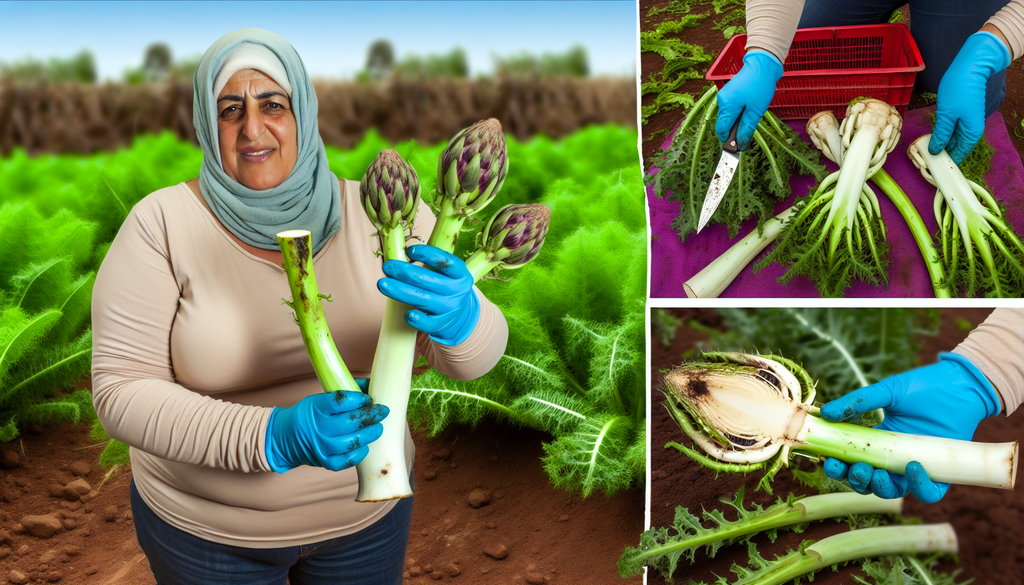
Each spring, for just a brief two-week stretch, a rare variety of violet artichoke is hand-harvested on the northern islands of Venice — and locals go to great lengths to preserve its authenticity.
As sunlight dances across the shimmering waters, Venetian farmer Guia da Camerino guides her small boat around the briccole — wooden posts that subtly demarcate the lagoon’s watery paths. Just beyond the bustling maze of Venice’s city centre, the tranquil islands of Sant’Erasmo and Le Vignole offer a verdant escape, long revered as the city’s "vegetable garden". Here, a one-of-a-kind flower takes root — blossoming for only ten short days a year.
Da Camerino is among a mere four agriculturalists working the land on Le Vignole, specialising in cultivating the carciofo violetto di Sant’Erasmo, a unique artichoke variety native to Venice. Its most coveted form, the castraùra, is the plant’s very first bud — small, tight, and pointed. These buds are nicknamed from the Italian word for "castrate", as they are clipped to redirect the plant’s energy toward growing the larger artichokes, or botoli, enjoyed throughout the rest of the season.
Spring is the busiest time for da Camerino, as the violet artichokes bloom and must be picked quickly — each plant producing only one castraùra annually. Roughly the size of half a hand, these petite buds are cherished for both their scarcity and their subtly briny and complex flavour.
"It’s difficult to describe unless you’ve tasted one," she says, strolling through her fields with Venice’s spires rising in the distance. "There’s bitterness at first, then a wave of sweetness. They’re soft and simple to eat – unlike Roman artichokes, which you must peel and fuss over. Castraùre can be eaten raw, they’re that delicate."
Their near-mythic status has invited counterfeits for years, with artichokes from regions like Tuscany, Sardinia, and Sicily sometimes passed off as the Venetian variety. True locals, however, insist there’s no imitating the Sant’Erasmo taste — with the Adriatic-kissed soil and its signature salinity, balanced by seasonal rain. The prized artichoke is even honoured in a mid-May festival where locals feast on themed dishes, sip artichoke-infused spritzes and digestifs, and stock up on the seasonal delicacy before it vanishes again.
Cultivating this flower isn’t easy. Everything is grown organically and manually, with the ever-present threat of acqua alta — the seasonal floods that jeopardise Venice’s crops. These perennial plants are pruned each summer before slowly regrowing over winter. Nowadays, however, climate change is pushing the season forward, affecting growth cycles.
"It’s deeply concerning," da Camerino confides. "The plants need nine months to gently mature. We once harvested on April 25th — Saint Mark’s Day. This year, we began picking at the start of April. Everything’s accelerating with the rising heat. If this continues, the castraùre may one day disappear."
Due to their fragile nature, castraùre rarely leave the lagoon. They are harvested, sold, and enjoyed on the same day. Da Camerino supplies directly to select Venice restaurants that value their quality. Yet, she laments, many eateries no longer source real castraùre, opting instead for ordinary artichokes sold at elevated prices to unwitting diners.
One notable exception is Al Covino, a cosy eatery tucked in Venice’s Castello district, priding itself on locally-sourced dishes and ingredients protected by the Slow Food presidium. It’s an intimate space, dressed with pale green beams, swinging foliage and only 15 seats, run by husband-and-wife duo Claudio De Lauzieres and Claudia Torcellan. Originally from Naples, De Lauzieres is passionate about Venice’s overlooked gastronomic treasures: "Neapolitan food is more famous, but the lagoon’s diversity offers extraordinary flavours. The castraùre showcase that richness."
He crafts three dishes with the coveted bud: one gently sautéed and buttery-soft, a tender tagliolini in artichoke cream, and raw shavings tossed in salad with olive oil, Parmesan and lemon zest. As I savour a bite, my expression draws a satisfied grin from him — the potent flavour echoing the scent and breeze of the open lagoon during our earlier boat ride.
On nearby Sant’Erasmo, farmer Carlo Finotello is waging a quiet war against imitation castraùre sold around the lagoon. Alongside his brother Claudio, he runs I Sapori di Sant’Erasmo and leads the Consorzio del Carciofo Violetto di Sant’Erasmo, formed in 2004 to safeguard and promote the genuine article. The consortium’s label signifies authenticity and superior quality.
“Some vendors misuse the consortium label on unrelated crates,” Finotello says. “Others mix a handful of true castraùre in with standard artichokes to increase profits.”
Whenever there's suspicion of false claims, the consortium contacts the sellers directly. But Finotello clarifies they have no legal power, nor the resources to pursue culprits legally. He urges consumers to buy only from verified local growers carrying the official label to help preserve the tradition and authenticity.
I join Finotello in his fields as he guides me through harvesting on a humid, breezy day. The ground is soft from rain, and the artichoke leaves glisten in the sun. Using a traditional curved blade tucked in his overalls, he deftly slices each bud. In earlier days, fields were fertilised with scoasse — sea refuse like fish bones and crab shell — but today’s microplastics have ended that custom. “Too much plastic in the food chain,” he shrugs. “We’d end up feeding the plants garbage.”
After clearing the field, Finotello tallies his harvest: 105 castraùre. He tips them into a trailer and turns to me with a grin. “Your turn to eat some,” he jokes.
Back at his farmhouse, his mother, Mirella Bubacco, reigns over the kitchen cluttered with signs of Easter: chocolate wrappers, coffee cups, and the remnants of colomba cake. She’s warm but no-nonsense, chatting relentlessly as she preps.
"Never serve it as a starter!" she warns seriously, knife in hand. "Its taste lingers and messes with the rest of the meal." Her preferred preparation is Venetian simplicity: raw, julienned, drizzled with delicate olive oil, sprinkled with salt, and topped with Grana Padano shards. “The soil here on Sant’Erasmo is enough seasoning!”
If you enjoyed this piece, sign up for The Essential List newsletter — a curated roundup of stories, videos, and news delivered to your inbox twice a week.
For more travel features from the BBC, follow us on Facebook, X, and Instagram.



