Eight Unique Juices Found Only in the Amazon
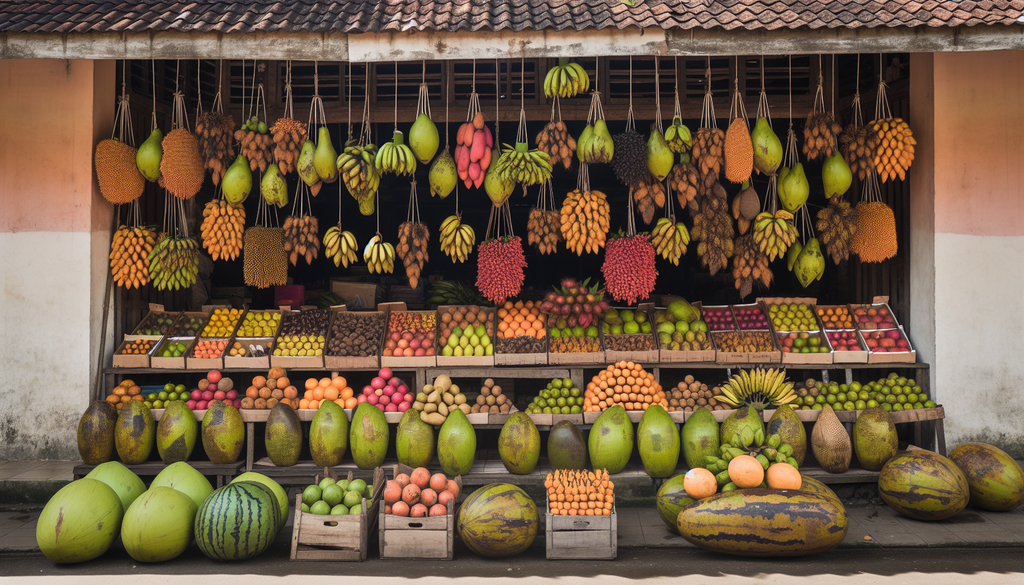
Far from modern juice bars and protein shakes, the vibrant juices of the Amazon are blended just hours after harvest — offering not only bold flavors but deep cultural roots.
The Amazon is not only Earth’s largest rainforest and a treasure trove of biodiversity — it’s also a hidden culinary wonderland. With over 220 native fruit-bearing tree species, the region boasts a bounty of produce rarely found outside its borders. Many fruits are too perishable for export, and others are closely tied to the traditional knowledge of local communities. Along the winding stretches of the Amazon River — from the cloud forests of Peru to Brazil’s lowland floodplains — travelers can stumble upon stalls and cafés overflowing with rich, colorful juices that mirror the heartbeat of the jungle.
These juices — crafted shortly after picking — are virtually unknown in processed form. Served cool to combat the steamy air, they aren’t simply health tonics but celebrated for their velvety textures, zesty flavors, and ancestral value.
Here are eight flavorful Amazonian juices to discover — whether for their unique tastes, cultural heritage, or just the curiosity of the new.
In Peru’s eastern Andes, rivers tumble into the jungle and bring with them the aguaje, a reddish fruit from the Moriche palm. In Tingo Maria, vendors display rows of the scaly fruit on silver trays. The fruit is left to soak before its tough shell is peeled away, revealing a vivid orange pulp. Blended into a thick drink called aguajina, it’s reminiscent of pumpkin pie with a hint of custard.
Local lore suggests the fruit is rich in plant estrogens — with some advising men not to overindulge — though scientific studies are limited. “Aguajina is very helpful — for bones, skin, and complexion — especially for women,” says Gianina Pujay, a street vendor who sells the drink near Tingo Maria’s market.
Nearby, the cocona, a tangy cousin of the tomato, also shines. Its juice boasts a bold flavor, somewhere between papaya and pineapple, with a slightly creamy texture.
"Many fruits from the Amazon are turned into juices because they’re too fibrous or tart to eat raw — like cocona," explains Miluska Carrasco, a nutritionist at Peru’s Instituto de Investigación Nutricional. "Juicing them also allows us to use them before they spoil."
Further downriver in Peru’s Ucayali region lies Pucallpa — the last stop on the country’s highway system and a hub of river commerce. Among the produce here, camu camu stands out.
Small and tart, camu camu has a profile like sour strawberries kissed with peach. “Its vitamin C content surpasses that of oranges,” says Carrasco. “It also offers various beneficial plant compounds.” While oranges provide about 6mg of vitamin C per 100g, camu camu contains over 2,000mg.
The fruit is seasonal — available mostly from January through March — and locals snack on the plums with just a sprinkle of salt, spitting out the seeds as they go.
In the heart of Brazil’s Amazonas state — some 700 miles east of Pucallpa — tucumã palms bear fruit from February to August. Eaten with manioc flour at breakfast or layered into x-caboquinho sandwiches alongside cheese and sweet plantains, tucumã is a staple.
Because the fruit is tough and fibrous, juice makers rely on a process of peeling, shredding, blending, and filtering to extract its subtly nutty essence.
“Tucumã is believed to be good for vision and skin,” says farmer Francisco Falcão from Bom Jesus in the Tefé National Forest. Rich in minerals, it delivers around 120mg of calcium per 100g — far more than calcium-rich kiwi.
In the same region, pupunha — also called pejibaye or pijuayo — is harvested from December through February. This palm fruit, packed with healthy fats and vitamins B1 and E, grows in sunny clusters resembling colorful acorns.
Not edible raw, the fruit is boiled until tender and eaten as a savory snack or juiced into a rich, peach-colored beverage. In Peru, the pulp may be fermented into a light alcoholic drink known as chicha or masato — especially during festivals or harvest celebrations.
In Manaus, capital of Brazil’s Amazonas state, refrigeration makes it easier to enjoy local fruits year-round. One such treat is cupuaçu, whose tough shell hides creamy white pulp that transforms into a luscious and citrusy juice — and more recently, a popular ice cream flavor.
Cupuaçu resembles cacao in genetics and, increasingly, cuisine. “It’s closely related to cacao; people even make cupulate out of it,” says Daniel Tregidgo, a researcher at Brazil’s Mamirauá Institute. “Markets are filled with its seeds — it’s like chocolate with a funky twist.”
Why isn’t the world talking about cupulate? “It all comes down to investment,” Tregidgo explains. “Exporting without exploitation from deep in the Amazon isn’t easy.” Cupuaçu-based bars deliver a tangy, chocolate-like flavor that is distinctly Amazonian.
In the Amazon Delta, the jenipapo fruit has long been known for its green-blue dye — and for its health perks. Its yellow interior is rich in B1 and zinc, and while you can sip its juice for a taste similar to dried apricot, many prefer it in the form of licor de jenipapo — a homemade cachaça liqueur served in cozy neighborhood bars.
And then there’s açaí — now a global superfood trend — whose Amazonian roots tell a different story. With seven unique species, locals distinguish between types like açaí-do-Pará, açaí-do-mato, and juçara depending on the area. In Belém, juice vendors use air presses to extract its thick, deep-purple pulp, sold in plastic bags and eaten straight from a bowl like a chilled soup. Elsewhere in Brazil, the pulp finds its way into frozen treats and yogurts.
--
If this story intrigued you, sign up for The Essential List newsletter — a curated roundup of features, videos, and must-read stories sent directly to your inbox twice a week.
For more stories from BBC Travel, follow us on Facebook, X, and Instagram.