Heading to Rize: a journey through Turkey’s enchanting northeastern landscapes
In a part of the world known for its constant rainfall, the locals’ passion for tea borders on the fanatical. While this might remind some of the UK, that’s where the resemblance ends. Rize province in northern Turkey offers a landscape straight out of a fantasy – mist-draped mountains, steep gorges, and endless layers of lush, shadowy forest.
Despite its breathtaking terrain, Rize hasn’t become a major destination for international travelers. Nestled between the eastern Black Sea coastline and the rugged Pontic Mountains near the Georgian frontier, it’s long been difficult to access. Although the journey from Istanbul once took nearly a full day by bus, a new airport that opened in 2022 now shortens the travel time to just two hours by plane.
My interest in Rize was piqued while gathering content for a book about the world’s most scenic drives. I spent countless hours exploring global roadways via Google Street View, and the northern coast of Turkey caught my eye — a stripe of vivid green hugging the sea. Digging deeper, I found a vast stretch of tea fields, cliffside roads, torrents coursing through valleys, and timeworn wooden settlements.
Eager to experience it firsthand, I persuaded a friend to join me on a drive through the Fırtına Valley, considered among the area’s most striking landscapes. This zone is also one of the few easily reachable places in the region, as much of the surrounding wilderness is best tackled with a guide.
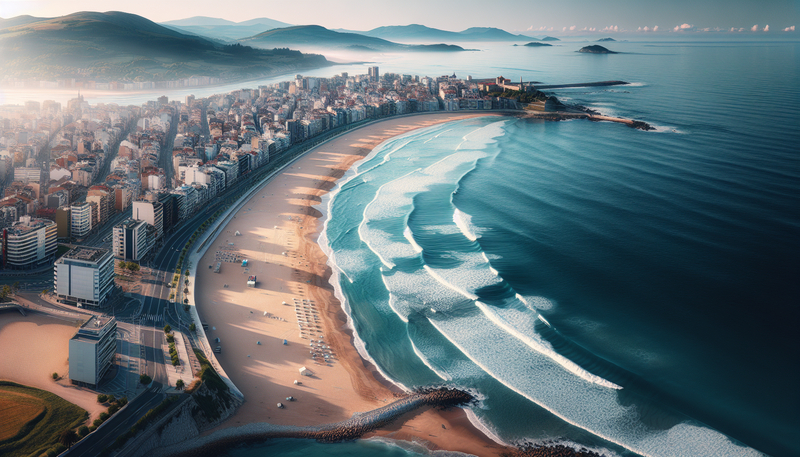
Rize names both the province and its main city, a quiet settlement by the coast. We decided to skip the city and dive straight into nature, steering our rental car toward the mountains. Driving east, the road flanks the Black Sea’s glistening blue stretch on one side and lush tea-growing hills on the other, where hillside pickers collect fresh leaves by hand into baskets strapped to their backs. Since the 1940s, this has been Turkey’s foremost center for tea production. Rize sees the nation’s highest rainfall, yet in summer, showers fade quickly, leaving a soft mist brushing the hilltops.
Roughly 20 minutes into the drive, we reached the mouth of the Fırtına River. As the name suggests – it means “stormy” – the river plunges down jagged beds with growing intensity. The deeper into the valley we drove, the more powerful its flow grew. Towering slopes covered in dense woods overshadowed us — habitat, locals say, to a population of brown bears.
A half hour later, we arrived in Çamlıhemşin, a mountainside village clinging to cliffs above the river. As the sun dipped lower, we strolled through the modest town center, passing local tea spots, bakeries, and market stalls selling homemade cheese and golden honey.
We dined beside the river at a cozy eatery, enjoying grilled chicken skewers, a rich stew of white beans in tomato sauce, and freshly baked bread. With help from a translation app, the waiter proudly informed us that the bread was made in-house.
After dinner, we navigated a steep series of hairpin turns to reach our night’s lodging: Dudi Konağı, a grand old stone residence nestled on the hillside. Built in the early 20th century by a wealthy local family with ties to Russia, the mansion now houses guests in one of its 24 rustic rooms adorned with wood paneling, carved fireplaces, and antique touches. Tucked into our third-floor room, we fell asleep to the gentle sounds of a stream and the croaking of frogs nearby.
The following morning, we pushed onward into the valley, pressing toward the dramatic snow-blanketed peaks of the Kaçkar range. We followed the river’s curve, driving past roaring waterfalls veiled among beech and chestnut groves and ancient arched stone bridges dating to Ottoman times.
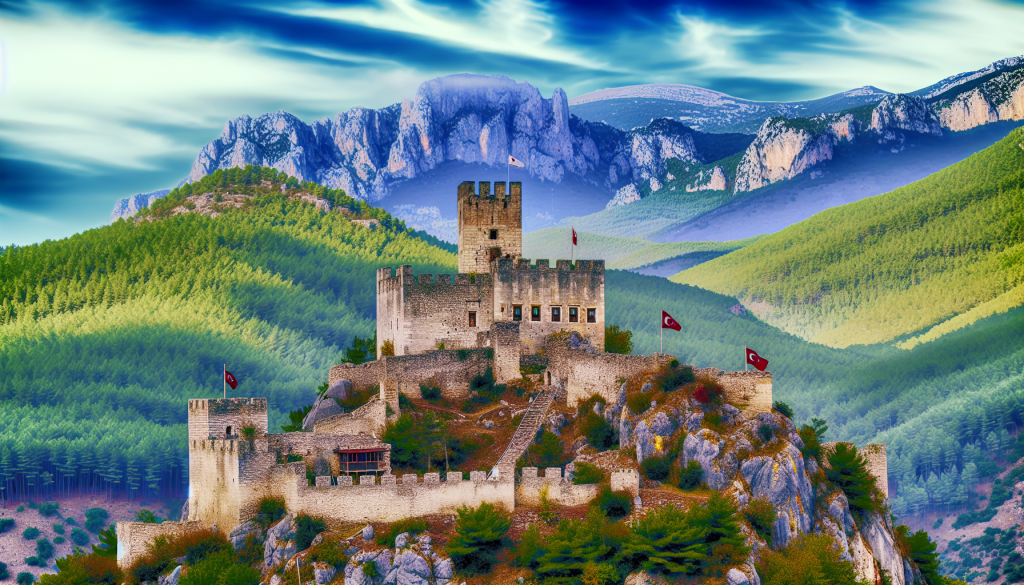
Our first major stop was Zil Castle, a 14th-century fort rising above the treetops. Believed to have been established during the reign of the Empire of Trebizond — a Byzantine offshoot — the fortress once protected a key trade route linking inland Anatolia to Black Sea ports. It was a vital point along the Silk Road, guarding merchant caravans laden with exotic goods from Asia. Today, its stone walls remain remarkably intact, offering breathtaking vistas over the valley.
As our journey continued, bursts of purple on the hillsides heralded blooming rhododendron bushes. These vivid flowers contribute to a local specialty known as “mad honey” (deli bal). The nectar of these plants contains natural compounds that can lower heart rate, cause mild hallucinations, and are believed to have aphrodisiac effects. This unique honey commands high prices worldwide. With farming limited by the steep terrain, beekeeping has become a significant livelihood in the area.
The surrounding valleys are home to the Hemshin people, an ethnic group originally from Armenia, who have lived in this region since the eighth century. Thanks to their relative seclusion, their cultural traditions and language remain intact. One enduring custom is black hive beekeeping, which involves placing beehives high in hornbeam trees, safely beyond the reach of curious bears.
As we neared the end of our route through the Fırtına Valley, the paved road gave way to gravel, climbing sharply into the misty Kaçkar Mountains. We ascended into thick fog, reaching our final stop: Elevit. This high-altitude village only springs to life in summer when herders bring their flocks up to graze. During our visit, with snow season still close, it was hauntingly quiet. The fog cloaked the landscape, and shuttered timber chalets emerged ghost-like from the veil. Wildflowers blanketed the meadows, glistening under a fresh coat of dew.
Hidden behind the fog stood the Kaçkar peaks, part of the Caucasus mountain system, spanning more than 600 miles across the Black Sea coast, making them over twice the length of the Pyrenees. Though self-guided treks are possible, the unmarked trails and rugged terrain make this risky. Had our schedule allowed, we would have joined a guided expedition through these remote highlands, exploring ancient glaciers and wild pastures. But with plans to cross into Georgia, our Kaçkar adventure concluded at Elevit.
As night fell, we descended back to Çamlıhemşin, the fading light casting golden hues across the valley. The river glimmered below like a ribbon of silver. We finished our day in a warmly lit tea house, its walls covered in aged wood panels, where locals gathered for games of backgammon. Glasses filled with steaming tea clinked softly among the rapid tap of game pieces on tabletops.
The owner of the tea shop asked what we thought of his homeland. “Güzel” (beautiful), we said. He smiled broadly and nodded. It’s easy to see why this land stirs such pride in those who live here. Untouched by big tourism and rich in heritage, Rize offers a world where nature still reigns and tradition lives strong — and where a cup of tea is never far away.
Our stay was hosted by Dudi Konağı; rooms start from €140 per night, including breakfast.