
In the footsteps of a rogue from the Welsh borderlands: hiking the Mortimer Trail
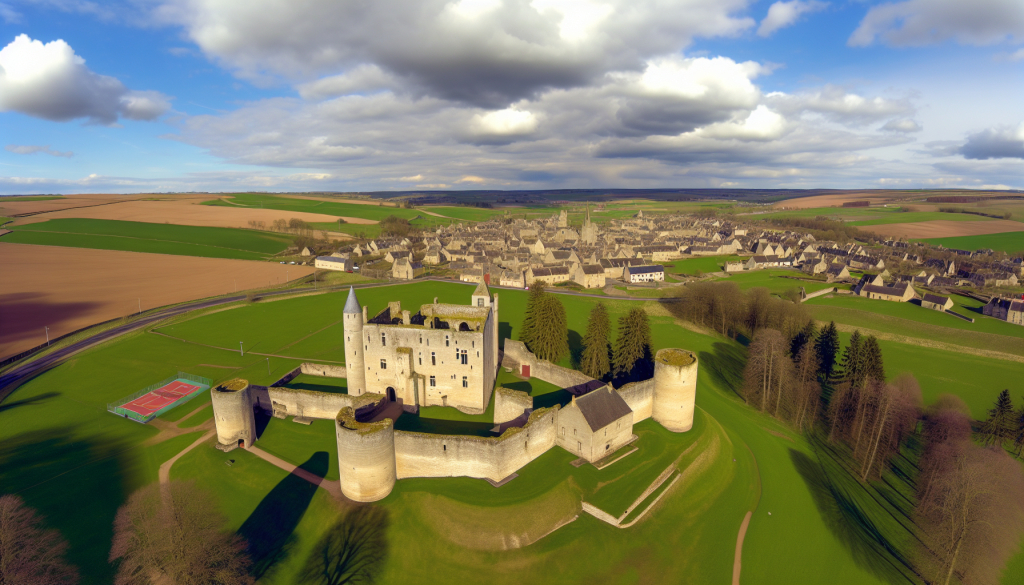
Across the UK, there is a long-standing habit of christening walking routes after some of history’s most colourful troublemakers. Poets with questionable habits, ambitious plotters and controversial monarchs all seem to earn a place on signposts. In that spirit, a 30-mile weekend hike honouring the Mortimer family — and especially their most infamous member, Sir Roger — feels entirely fitting.
Sir Roger Mortimer was not a man of modest reputation. He allegedly conducted an affair with Queen Isabella, almost certainly played a role in the downfall and death of her husband, Edward II, and effectively ruled England for three tumultuous years in the 1320s. During that brief ascendancy he enriched himself enthusiastically. Leaders of quite that dramatic stamp seem in short supply today.
Yet Mortimer’s power base was not London, but the volatile Welsh Marches. As a marcher lord, he controlled territory along the English-Welsh border, and the modern Mortimer Trail traces his family’s footprint through gentle countryside from Ludlow in Shropshire to Kington in Herefordshire — an ideal distance for a two- or three-day walk. Though the landscape now feels calm and pastoral, it once echoed with rivalry and rebellion. The trail has existed for years, but a new guidebook and app have revived interest in this formidable medieval figure.
I begin in Ludlow, a town celebrated today for its food scene yet steeped in history. Its winding streets and timbered buildings create a vivid sense of the past. On Broad Street stands The Angel, whose bay window famously hosted Horatio Nelson in 1802 as he greeted cheering townsfolk. According to local lore, he thanked them for the oak used in shipbuilding. Behind him stood Emma Hamilton and her husband, Sir William — a trio that captivated the public imagination until Nelson’s death at Trafalgar. The layers of drama here long predate the Mortimers.
Lunch comes beneath the looming walls of Ludlow Castle at one of the town’s well-regarded cafés. Ludlow’s reputation for good food is well deserved, with its farmers’ market and intimate “parlour pubs” — modest front-room establishments often serving a single cask ale — reinforcing its independent character.
Ludlow Castle marks the true beginning of the trail. In medieval times it was a key administrative centre for the borderlands. Among its surviving features is the solar wing built for Queen Isabella, who stayed here in 1328. Sir Roger’s wife, Joan, was also present, though accommodated separately. Where Mortimer himself slept remains a matter for speculation.
Leaving the town, the path crosses Dinham Bridge and climbs into Mortimer Forest, offering fine views back towards the castle. Deer move quietly through the trees and goshawks patrol overhead in this ancient woodland. My first night is spent at Salwey Lodge, whose farming owners not only support walkers on the trail but provide guidance and local transfers, making the route accessible without a car.
The lodge suits the mood of a story shaped by rebellion and ambition. One of the Salwey ancestors was imprisoned in the Tower of London for anti-monarchical sympathies and linked to a 17th-century plot. Nearby stand the remnants of Richard’s Castle, where he is believed to have lived; little survives beyond earthworks and a charming 12th-century church. Inside the lodge, ancestral portraits line the walls, and meals feature produce from the garden, farm and surrounding area.
The second day climbs steadily through woodland to expansive views across Shropshire. At Croft Ambrey, an Iron Age hill fort abandoned around the time of the Roman invasion in AD 43, the panorama stretches for miles. It is easy to imagine watchfires once burning here.
Few fellow walkers appear over the weekend, yet signs of the region’s militarised past are everywhere. For centuries, Welsh resistance met Norman expansion with fierce determination, answered in turn with equal force. Mortimer was deeply involved in these struggles until the young Edward III ordered his execution at Tyburn. From Croft Ambrey, the ruins of Wigmore Castle — Mortimer’s principal stronghold — are visible in the distance.
The trail continues over rolling ground, revealing sweeping views of the Welsh mountains before descending to the River Lugg and the welcoming Riverside Inn. Dinner and breakfast are hearty, the latter substantial enough to demand restraint before another full day on foot.
The final stretch begins with a peaceful riverside walk, then climbs through woods and open heath. The quiet church at Byton stands as a reminder of past unrest, having been attacked more than once during border conflicts involving Welsh leaders such as Llywelyn ap Gruffudd and Owain Glyndŵr. The Mortimers were closely entwined in these struggles, sometimes as adversaries, sometimes through unexpected alliances by marriage.
It is possible to shorten the day and finish earlier, but continuing onwards brings a fitting conclusion: Offa’s Dyke. The path rises across open pasture until the great earthwork appears — once a formidable boundary between rival kingdoms, now softened into a grassy ridge grazed by sheep. What was built to divide has become a quiet landmark in the landscape. After a pause to reflect, the trail descends into Kington, where a well-earned rest and refreshment await at a local café before the journey home.



