South Korea moves to impeach interim leader Han Duck-soo
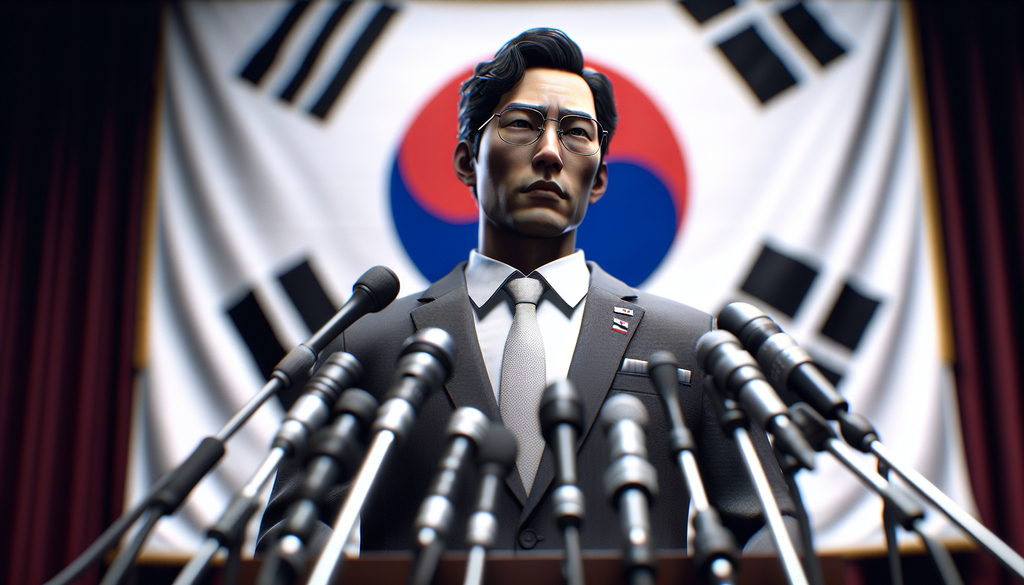
South Korea's acting president, Han Duck-soo, has been impeached just two weeks after parliament also voted to remove President Yoon Suk Yeol from office.
A total of 192 lawmakers approved Han's impeachment, exceeding the required threshold of 151 votes to pass the motion.
Han assumed the role of acting president following Yoon’s impeachment, which came after the president’s controversial attempt to impose martial law on December 3. However, opposition lawmakers accused Han of neglecting demands to finalize Yoon’s impeachment proceedings.
The parliamentary session on Friday descended into chaos as lawmakers voted on Han's impeachment.
Members of the ruling People Power Party (PPP), which both Yoon and Han belong to, fiercely protested after National Assembly Speaker Woo Won-shik ruled that only 151 votes were necessary for the motion to pass. This was fewer than the 200 votes required for Yoon’s impeachment, meaning opposition parties could pass Han’s impeachment without any support from the ruling party.
Outraged PPP lawmakers gathered in the center of the parliament chamber, chanting slogans like "Invalid!" and "Abuse of power!" They also called for the speaker’s resignation and largely boycotted the proceeding.
With the vote now passed, Han will be suspended from his duties as soon as he receives official notification from the National Assembly.
Opposition lawmakers had filed the impeachment motion against Han the day before, accusing him of obstructing the process by blocking the appointment of three judges nominated by parliament to oversee Yoon’s trial.
South Korea’s Constitutional Court, which is ordinarily composed of nine members, currently has only six judges. At least six votes are required to uphold Yoon’s impeachment, meaning one dissenting vote could potentially allow the president to remain in office. The opposition hoped that adding three new judges to the bench would improve their chances of removing Yoon.
This marks the first time in South Korea’s democratic history that an acting president has been impeached.
Finance Minister Choi Sang-mok is expected to step in as acting president following Han’s removal. However, Han’s impeachment, like Yoon’s, must be reviewed and confirmed by the Constitutional Court, which has up to 180 days to deliver a ruling.
On Friday, Han issued a brief statement, saying, "I respect the National Assembly’s decision" and that he would "await the Constitutional Court’s ruling." He also pledged to step back from all duties to avoid further destabilizing the country.
The crisis traces back to December 3, when Yoon shocked the nation by declaring martial law, citing concerns about "anti-state forces." His order was swiftly reversed only hours later after parliament overwhelmingly rejected it, with many lawmakers climbing over barricades to reach the voting chamber.
Yoon subsequently apologized, claiming his intention was to safeguard democracy. Nonetheless, his martial law declaration triggered a political and legal firestorm. Senior members of his administration now face charges of insurrection, while Yoon himself is embroiled in an impeachment trial. Despite being prohibited from leaving the country, Yoon has refused to cooperate with investigative authorities, repeatedly ignoring their summons.
As political turmoil deepens, South Korea’s currency has felt the impact. On Friday, the Korean won plummeted to its lowest value against the US dollar since the global financial crisis 16 years ago, with both ruling and opposition parties trading blame over the unrest.
Han’s removal is expected to worsen the ongoing political deadlock and further amplify uncertainty in the nation.