Industrial awakening: exploring England’s Great Northern Coalfield
The Great Northern Coalfield once fueled the rise of Britain’s Industrial Revolution, providing coal from the mines in Durham and Northumberland. For over 200 years, this resource was transported via an intricate network of wagonways and railroads to coastal ports, and from there, shipped south to London.
Although the mines have long since closed, about eight miles northeast of Durham, remnants of the region’s industrial past lie hidden among ancient forests and a dramatic gorge landscape.
Having explored parts of this area during childhood adventures, I set out on a scenic eight-mile circular trail that weaves together significant historical landmarks and ends at a pub with ties to the Napoleonic era.
The walk begins at Eden Place, a picnic area close to Beamish village, located on the grounds of a former row of miners’ cottages. From here, I join a disused rail path that once ferried goods between Consett steelworks and Sunderland until its closure in 1985. Today, it's part of the coast-to-coast cycle trail, but seeking a quieter path, I veer into the evocatively named Hellhole Woods. Despite the name, the woods are tranquil, filled with the fragrance and bloom of wild garlic.
Crossing open fields and quiet roads, the trail leads to Tanfield Railway, reputedly the oldest railway in the world. Originally constructed in 1725 by a group of colliery families known as the Grand Allies, its early use involved horse-drawn wagons to move coal to the River Tyne. While the line closed in 1964, a dedicated preservation effort has revived a portion of it — with steam trains now running between East Tanfield and Marley Hill.
At the station, there's a tearoom and an engine shed showcasing historical railway maps, revealing the intricate web of tracks that once crisscrossed the region. Although tempted by a ride on the restored railway, I continue on foot, drawn to the walk’s highlight.
From the station car park, signs guide me towards Causey Arch through a woodland path winding along the crest of a secluded gorge. The ancient forest lends a sense of seclusion until a distant train whistle cuts through the quiet, reminding me I’m not too far removed from civilization.
Half an hour later, Causey Arch comes into view. This majestic stone bridge, completed in 1725, is proud to be the oldest surviving single-span railway bridge known worldwide. Its builder, local mason Ralph Wood, adopted Roman engineering techniques to replace a collapsed wooden predecessor. Legend tragically claims he leapt from his own bridge in despair, though the sturdy structure stands strong thanks to 1980s restorations.
Crossing to the other side, I pause with fellow explorers beside a weathered wagon exhibit before descending to the gorge floor. A footbridge at the bottom offers the best view of the impressive stone arch, framed beautifully by tall trees and hovering 24 feet above the stream below.
Moving on, distant voices soon give way to the sight of Causey Quarry — a well-known climbing spot and where I first learned how to handle ropes. I scramble along a low rock face for old times’ sake, memories of youthful climbs flooding back.
After climbing a long, tree-covered embankment, I stop at the Poppy Coffee Pot café in the nearby car park. Re-energized by a generous slice of cake, I proceed down a bridle path that forms part of the 80-mile Tyne and Wear Heritage Way, then follow Coppy Lane into broad, open farmland. Eventually, the trail slopes downward, revealing Beamish Hall’s peaked roofs — home to influential local families for generations.
Originally a secured farmhouse in the 13th century, the current hall took form in the 1800s and once housed relatives of former Prime Minister Anthony Eden. Now operating as a hotel, its carefully kept grounds offer a contrast to the rugged forest paths (rooms start from £92). The renovated stables hold a dining space and The Coach House Café, known for afternoon tea. Still muddied from the trail, I skip the cakes and continue on.
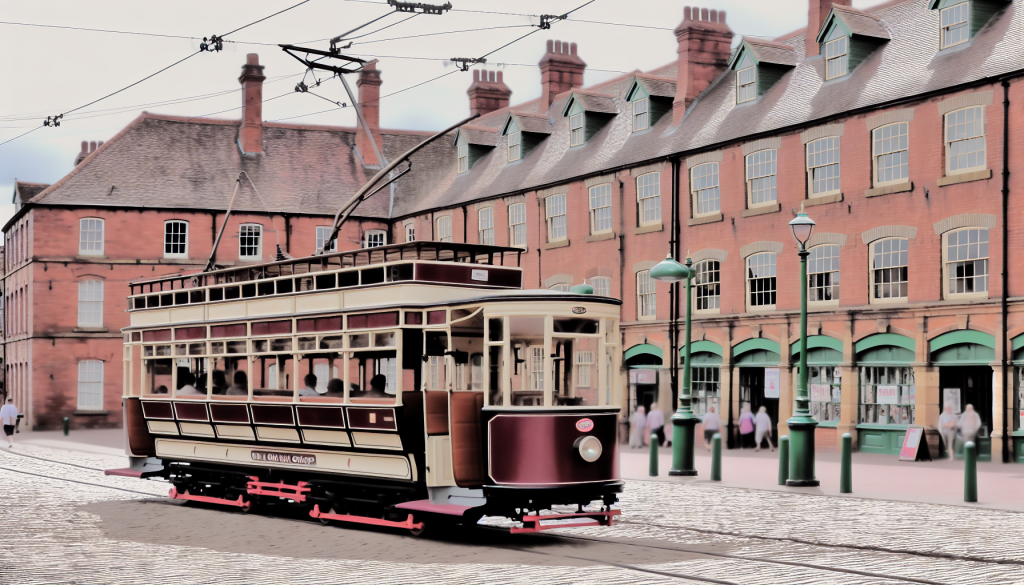
The path now hugs Beamish Burn stream, and as I ascend a hill, sounds of bells and cheerful chatter signal my proximity to the Beamish open-air museum. This vast 140-hectare heritage site, recently awarded Museum of the Year, preserves the everyday life of old northeast England.
Walking mostly alone now, it's hard to believe that this peaceful landscape once thrived with busy industrial works, including a paper mill and metal forges famous for producing top-grade cannons. Just past Flint Mill, I enter Ousbrough Wood, a conservation area rich with ancient oaks and plantation pine once used for mine supports.
Winding through this woodland, I occasionally misstep onto the wrong path but soon reconnect with the heritage route. A final uphill stretch deposits me on a quiet rural road. Turning left, I pass 19th-century almshouses and soon reach my final destination — the pub.
The Shepherd & Shepherdess pub dates back to the 1700s and is named after two painted lead statues above its entrance. According to a popular tale, these figures hail from the Napoleonic era, smuggled into Britain under the guise of art during a French blockade. They were spared from being melted down and now stand as symbols of this establishment’s long history.
With its cozy fireplaces and hearty menu — featuring dishes like sea bass, fish and chips, and vegetarian options — the pub provides the perfect end to the journey. I opt for the local favorite: corned beef and potato pie served with greens, chips and gravy. Paired with a pint of locally brewed ale, it’s a satisfying conclusion to a walk through the region’s layered histories and landscapes.